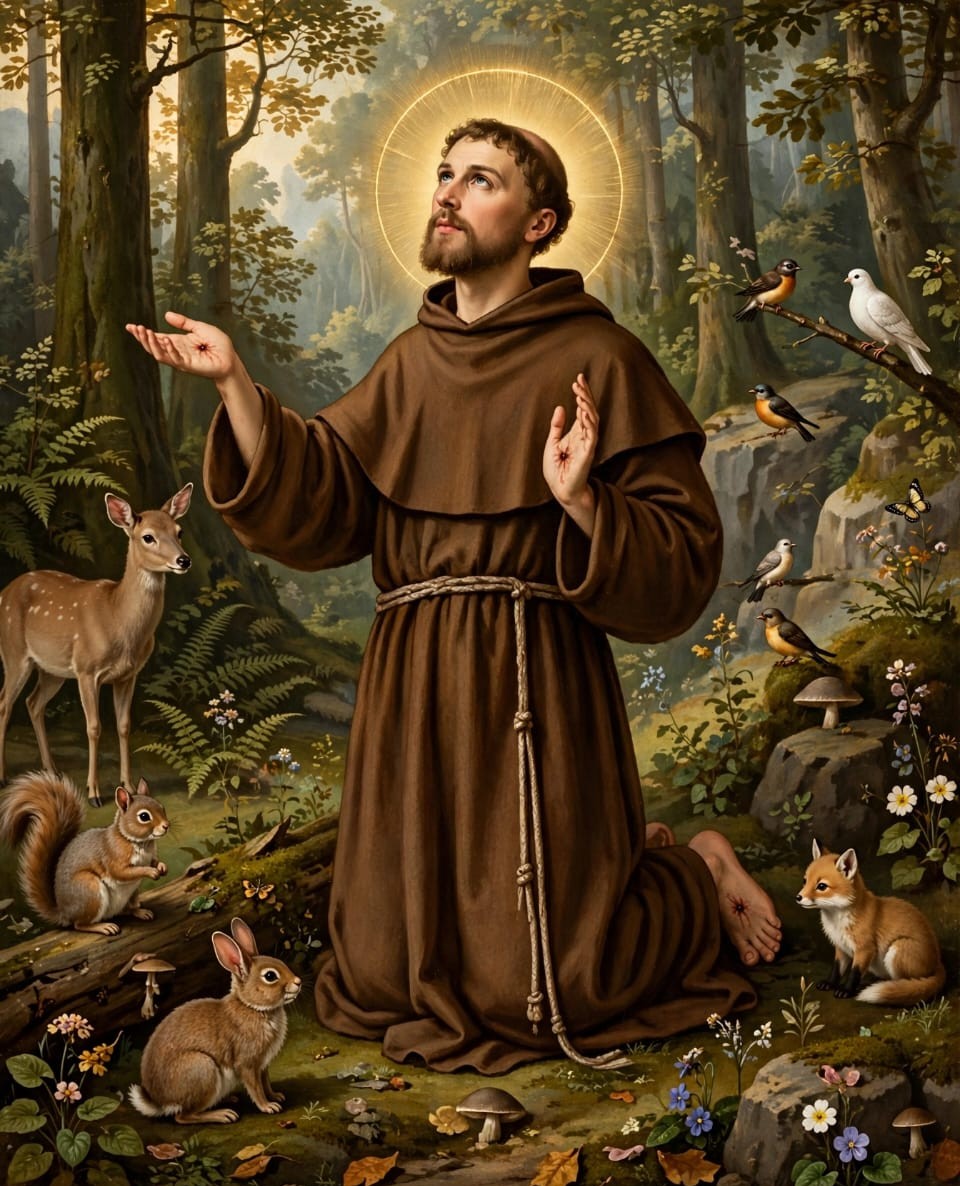
ST. FRANCIS OF ASSISI, OUR SERAPHIC FATHER
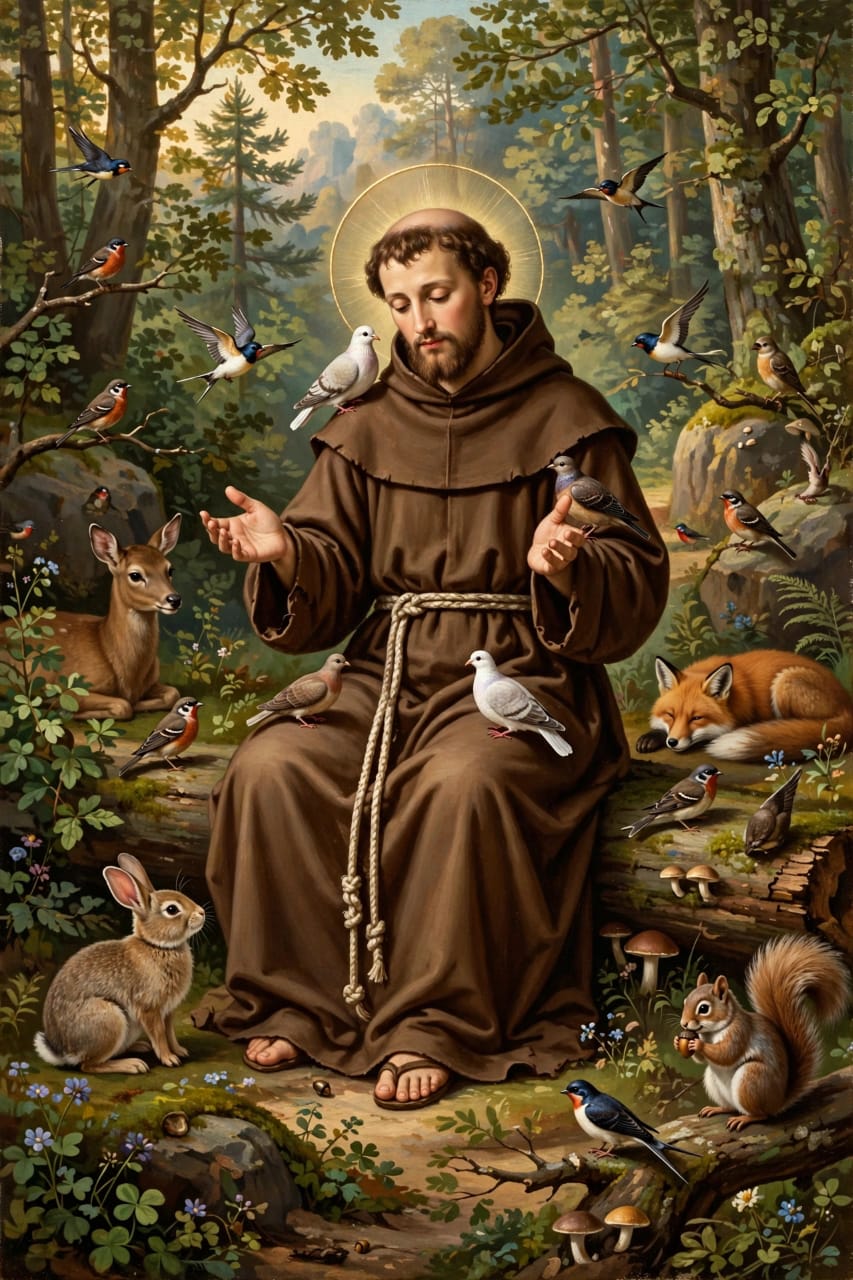
The 800th Anniversary of the Transitus (death) of St. Francis of Assisi is celebrated with a special Franciscan Jubilee Year from January 10, 2026, to January 10, 2027. Proclaimed by Pope Leo XIV, this jubilee commemorates Francis’s passage to eternal life in 1226 and encourages a renewal of faith, peace, and Franciscan spirituality.
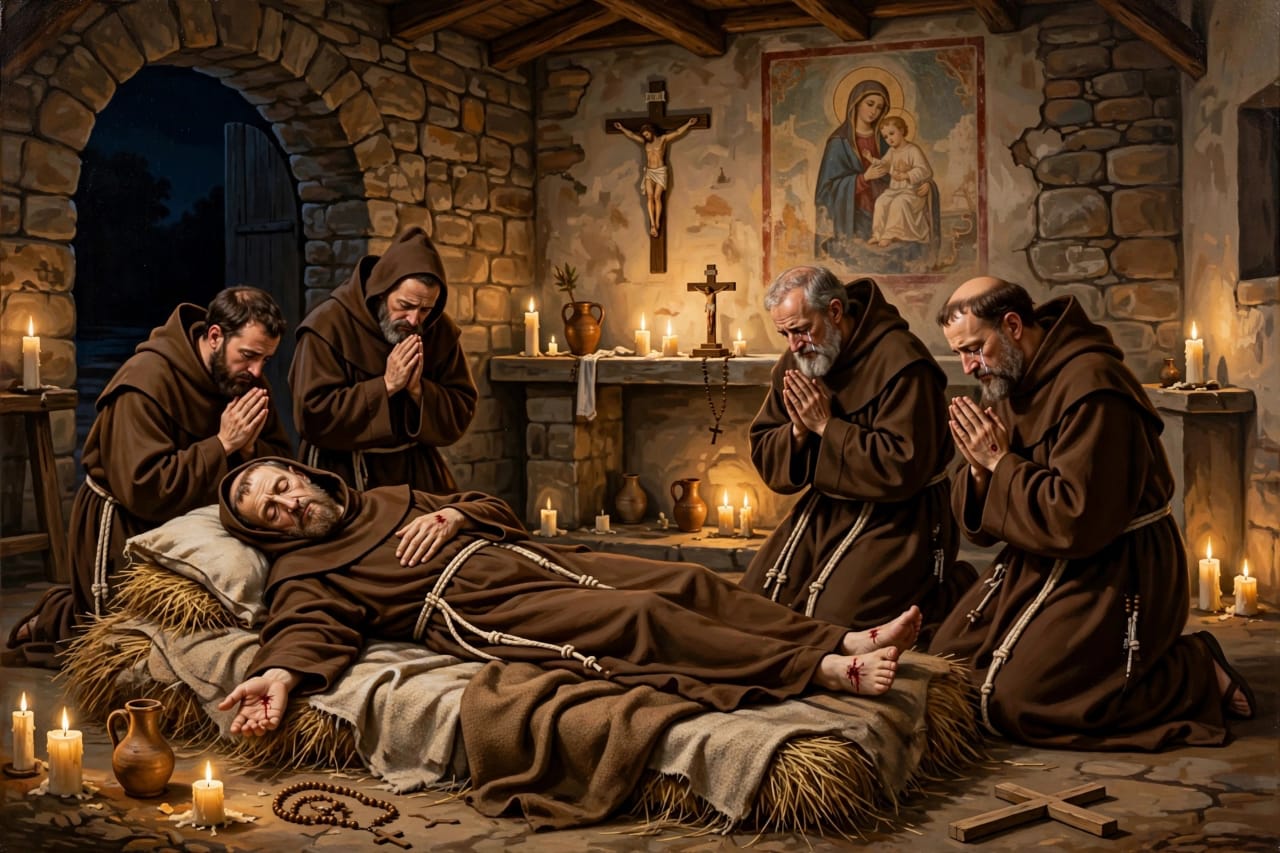
The Transitus refers to the death of St. Francis on October 3, 1226, in Assisi, which was a "passage" from earthly to eternal life.
The opening ceremony occurred on Jan 10, 2026, at the Porziuncola Chapel in the Basilica of St. Mary of the Angels in Assisi.
The Jubilee promotes the "three R's": Renewal of the Franciscan charism, Responsibility for the gift received, and Relationship with the Church and the world.
Pope Leo XIV has granted special indulgences for pilgrims who visit Franciscan churches during the Jubilee.
The Franciscan family—including the Order of Friars Minor, Capuchins, and others—will hold events throughout the year focusing on the saint's message of peace, poverty, and environmental stewardship.
LIFE OF ST. FRANCIS OF ASSISI
(1181/1182 - 1226)
Birth and youth
Born Giovanni di Pietro di Bernardone in late 1181 or 1182 in Assisi, Italy, son of rich cloth merchant Peter Bernardone. He was called Francesco (Frenchman) by his father because of his love for France.
He lived as a wild, wealthy party boy and dreamed of becoming a knight. He joined war against Perugia at 20, and spent a year in prison where he fell seriously ill.
Three key moments:
Meeting a leper — He first ran away, but reconsidering, he came back and kissed his hand, then he gave him everything he had.
In San Damiano chapel, he heard the Crucifix say: “Francis, go and repair My house which, as you see, is falling into ruin.”
He renounced his father publicly in 1206 — stripped naked before the bishop and gave back even his clothes, saying “From now on I will say Our Father who art in Heaven.”
The Order:
Francis began rebuilding churches by hand, lived as a beggar in rags. By 1208, after hearing the Gospel “Take no gold, nor silver…,” he embraced absolute poverty. He gathered 12 brothers and thus founded the Order of Friars Minor (Franciscans) which in 1209, was approved by Pope Innocent III. With St. Clare, founded Poor Clares in 1212.
He wrote the Rule: “Live the Holy Gospel.”
Stigmata
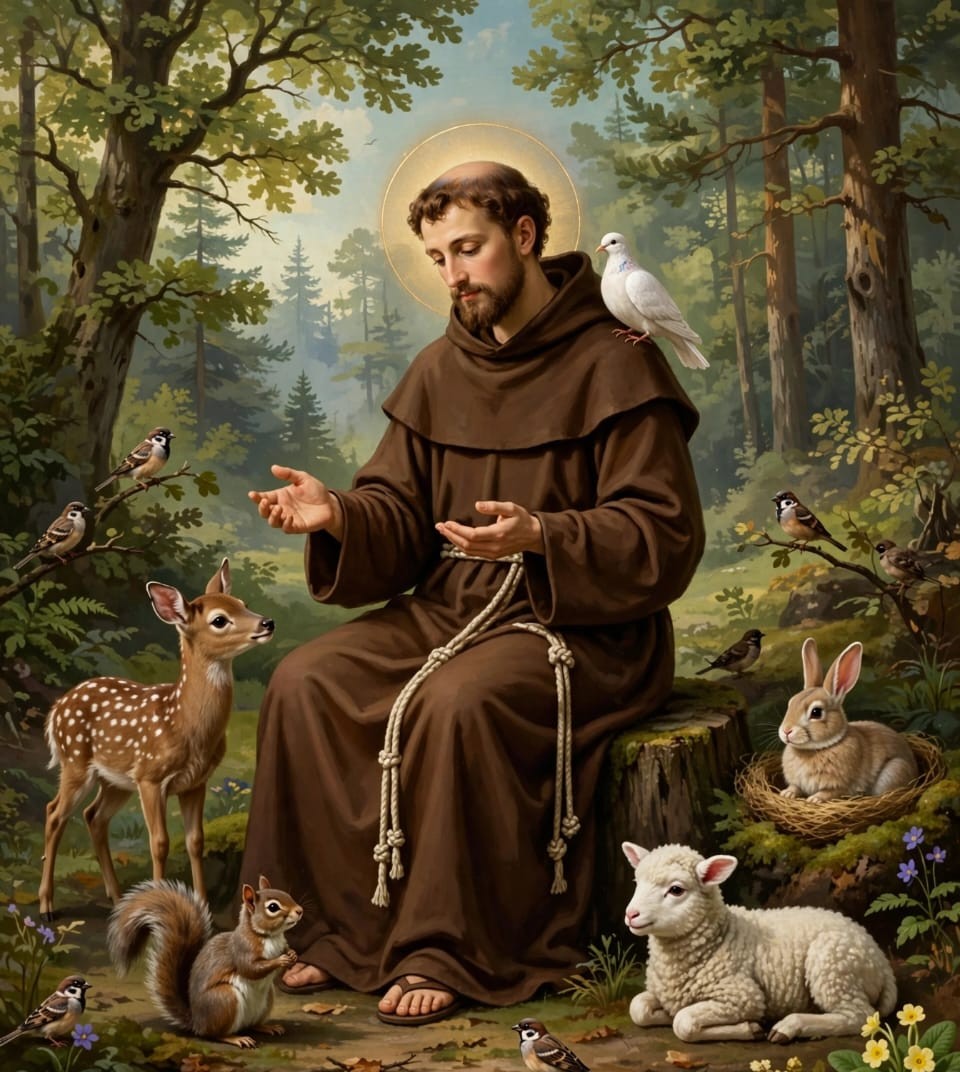
In September 1224 on Mount La Verna, while fasting 40 days, Francis received the wounds of Christ becoming first person in history with the stigmata.
Francis composed the Canticle of the Sun while almost blind and in pain.
Death
Francis died on October 3, 1226 at sunset in Portiuncula, Assisi, aged 44-45 years while singing Psalm 141. He was buried on October 4 which is his feast day.
Canonization:
Francis was canonised on July 16, 1228 by Pope Gregory IX, just 2 years after his death.
He is the patron of: animals, ecology, merchants, Italy and Franciscan orders.